Buying property in Japan becomes much easier to understand when the process is separated into decisions: what you are buying for, how you will fund it, which property risks matter, and what must happen before contract and settlement. This guide gives international buyers a practical map of those decisions.
Start with purpose, timing, and a complete budget
A home for your own use, a future residence, and an investment property require different searches and financing conversations. Before looking at listings, define who will use the property, when you need it, how long you expect to hold it, and whether you will use cash, a Japanese mortgage, or another funding route.
Primary home, second home, family use, or investment.
Target move, contract, and settlement dates—and how flexible they are.
Cash available, borrowing needs, currency movement, and reserves.
If financing is required, discuss it before narrowing the search too far. The price you can offer and the contract conditions you need may depend on the lender's view of both you and the property.
Compare the property and the life around it
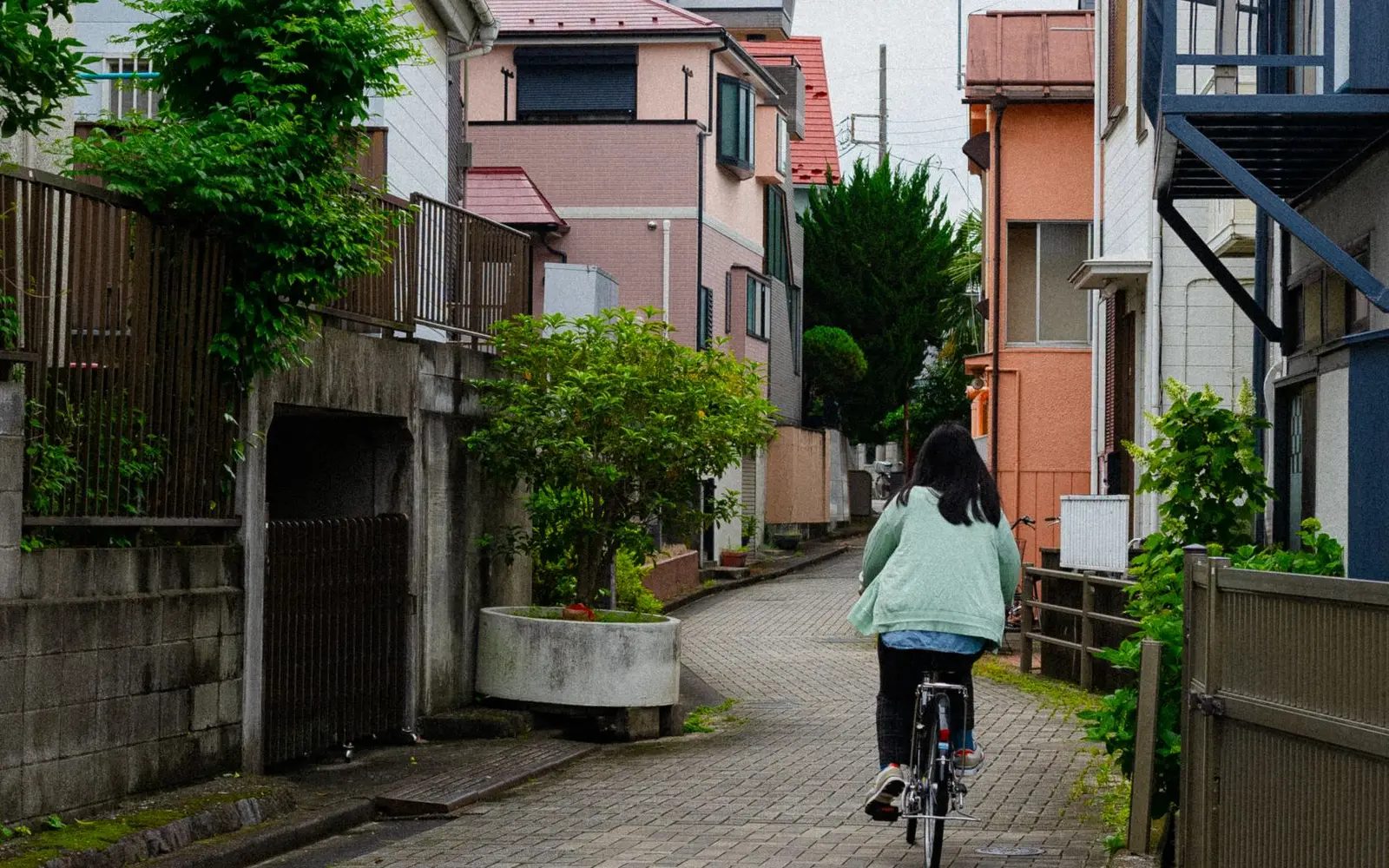
Listing photos and floor plans are only a starting point. Compare access, neighborhood conditions, building management, future maintenance, legal and physical property details, and resale or rental considerations that matter to your purpose.
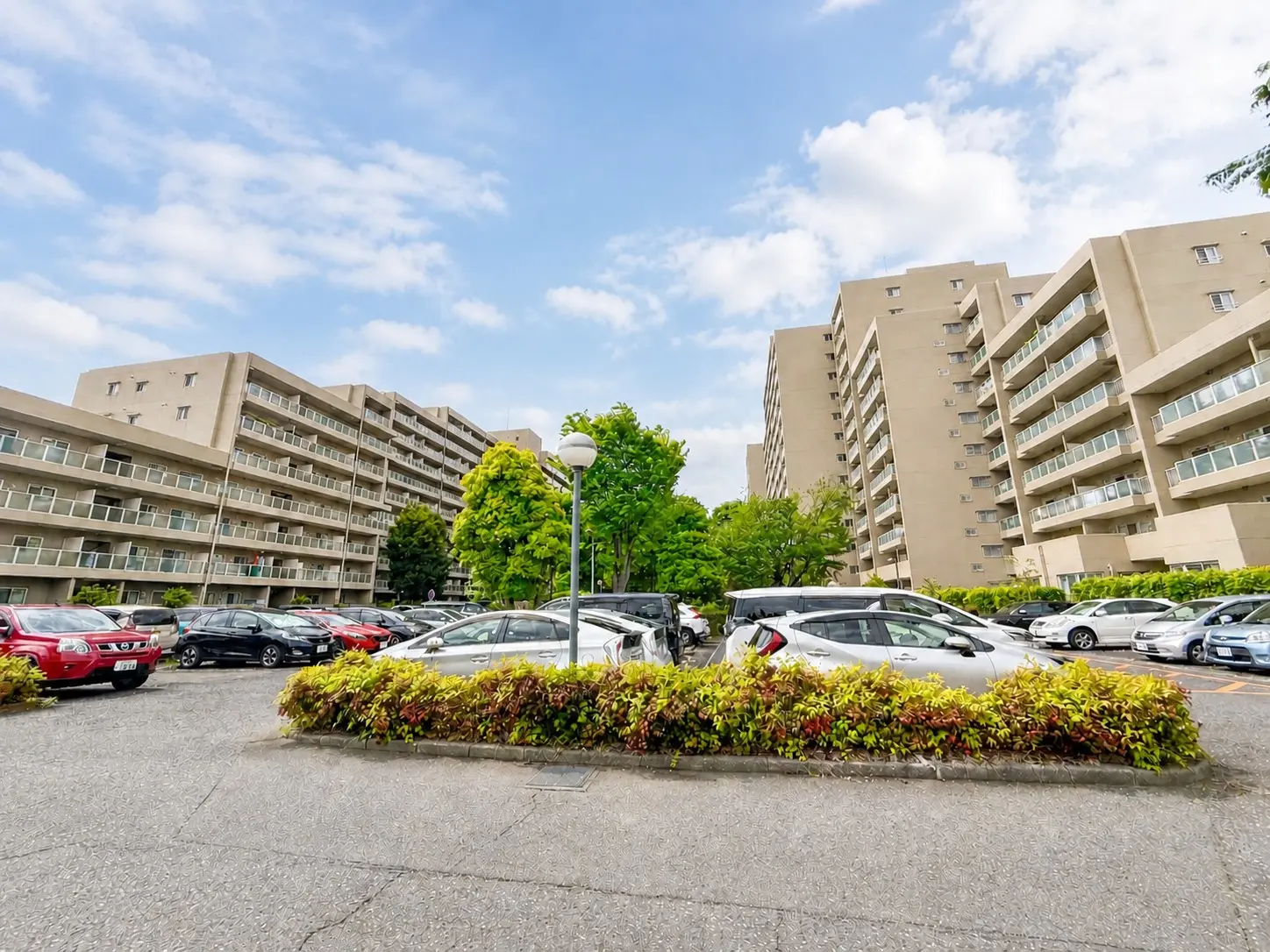
- CondominiumManagement quality, monthly fees, reserve fund, repair plan, rules, and shared areas.
- HouseBuilding condition, road access, boundaries, repair needs, and surrounding development.
- LandPermitted use, building coverage, access, utilities, boundaries, and buildability.
Visit at the times you will actually live there. A route that looks simple on a map can feel different during rush hour, at night, or in bad weather.
Plan for more than the purchase price
Your working budget should include transaction costs and the cash you want to keep after settlement. The exact items depend on the property and structure of the transaction, but common categories include brokerage, registration, professional services, loan-related charges, insurance, and taxes.
Ask for an itemized estimate rather than relying on a single percentage. That makes it easier to see which amounts are fixed, estimated, refundable, or dependent on your financing.
Know what happens before contract and settlement
A typical purchase moves from property selection and an offer to due diligence, explanation of important matters, the sale contract, financing steps, final checks, settlement, registration, and handover. The order and required documents can vary.
Ask for enough time to review documents and translations. If a document is not clear, resolve the question before signing rather than assuming it can be fixed later.
Build the right support team early
An international purchase may involve a real-estate agent, lender, judicial scrivener, tax professional, insurer, property manager, and translator or interpreter. You may not need every specialist, but you should know who is responsible for each decision.
Asiascape provides English support from the first property discussion through closing. Start with our buying support overview, or email us with your purpose, preferred area, budget, and timing.
FAQ
Frequently asked questions
Can a foreign national buy property in Japan?
Property eligibility and mortgage eligibility are separate questions. Your circumstances, the property, required notifications, and financing route should be reviewed early with the relevant professionals.
Do I need to be in Japan for every step?
Not always. Some preparation and communication can be handled remotely, but identity checks, document execution, lender requirements, and settlement arrangements vary. Confirm the workable process before making an offer.
Can Asiascape help with properties outside Itabashi?
Yes. We are locally rooted in Itabashi and can also discuss properties elsewhere in Tokyo and beyond, including homes not shown on our store website.